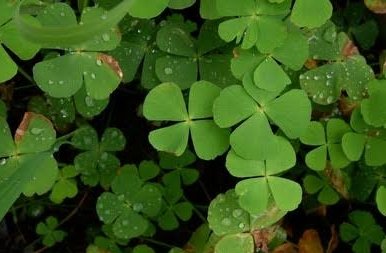
We live in a beautiful planet called mother Earth bearing varities of species (flora and fauna). These are dependent on each other in some or the other way completing the process called food chain. Flora and fauna both are beneficial for human beings directly or indirectly. When considering flora in specific, some edible species are used for the treatment of certain diseases because of their medicinal properties. So, take a look on some important species of flora with their importance as medicine and as food.
Wild edible Mushrooms 🍄: These are the species of macro-fungi and are locally called Khukhri. They bears fruiting structures that are large enough to be seen with the naked eyes. They can be either above the ground or below the ground from where they can be picked by hand. Some of these wild mushrooms are tasty and some are poisonous. But before consuming, a proper identification process should be done. By this way we come to know which of these mushrooms are edible and which are not.
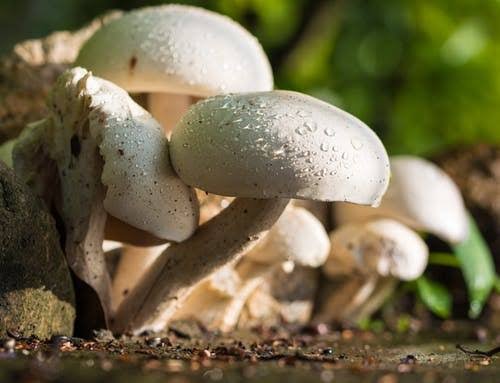
Some of it causes allergic reactions in some individuals, leading to food poisoning. Consumption of high amount of mushrooms has been associated with the lower risk of breast cancer. Some of it’s extracts are thought to be useful for the treatment of diseases, showing medicinal properties. Some mushrooms may cause side effects including dryness of the mouth or throat, itchiness, stomach upset, allergic reactions, etc. Consumption of poisonous mushroom, confusing them with the edible ones has resulted in death.
Bamboo shoots : Locally known as Karil, these are considered as most useful health food. Fresh or fermented bamboo shoots are mostly preferred as traditional food items by the different ethnic communities. It should be properly processed before consuming as some of the shoots have toxic contents that may lead to serious health issues.
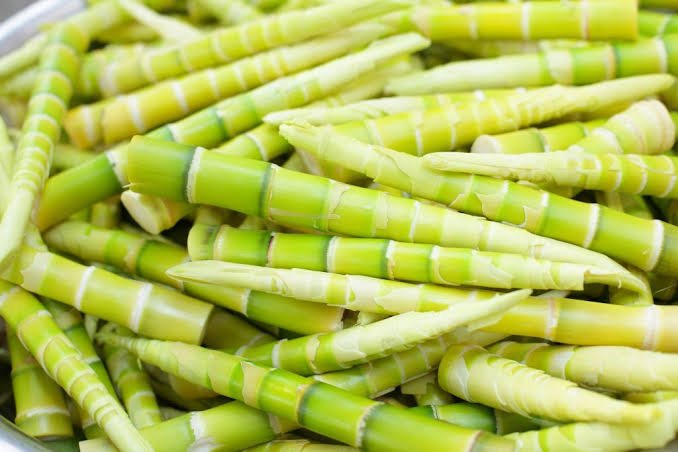
It contains Amino acids which plays an important role in the function of thyroid and pituitary gland. The fibres present in the bamboo shoots help in reducing the fats and cholesterol level in body. It controls blood pressure, hypertension and obesity.
Centella Asiatica : Locally known as Beng Saag, it is used as culinary vegetable and as a medicinal herb. It is an aquatic herb grown in water. It is especially sensitive to biological and chemical pollutants in the water, which may be absorbed into the plant. Centella is used as a leafy green cuisine and oftentimes it is prepared and accompanied with rice and vegetarian dishes. It is considered nutritious. The fruit bearing structures are discarded due to their intense bitter taste. Centella leaves are also used in modern sweet pennywort drinks and herbal trees. In addition, the leaves are served stir fried.
Acting as traditional medicine, it has been used to treat various disorders and minor wounds but it’s clinical efficacy and safety have not been confirmed yet. It may have adverse effects on liver functions when regularly used over many months.
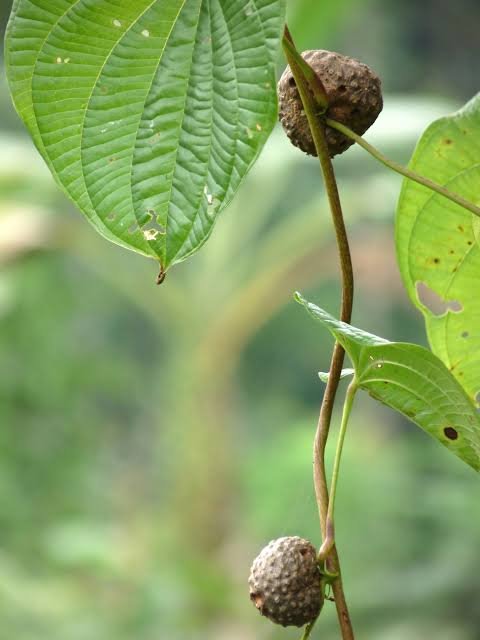
Dioscorea bulbifera: It is known by different names among different people such as air potatoes, potato yam and sometimes Gethi Kanda. It is widely cultivated and has become naturalized in many regions.
It has been used as a remedy to treat conjunctivitis, diarrhoea and dysentery among other ailments. Also used in important ceremony (Kulana) by the Tiwi people of Australia. During the ceremony, it is ritually cooked and eaten on the 3rd day. Sometimes it can be poisonous when it is in uncultivated form. Claims has been made that even if it is properly processed for consuming after drying and boiling leads to toxicity.
Marsilea Quadri folia: Belonging to Marsileaceae family, it is a herbaceous plant considered as a weed in some regions. It is an aquatic fern whose leaves keeps floating in deep or shallow water or on land.
It has been used as food in some places. Some of it’s properties includes – anti inflammatory, diuretic, depurative, febrifuge and refrigerant. Can also be used for treating snake bites, skin injuries and abscesses. No toxic report has been found on this herb yet.